
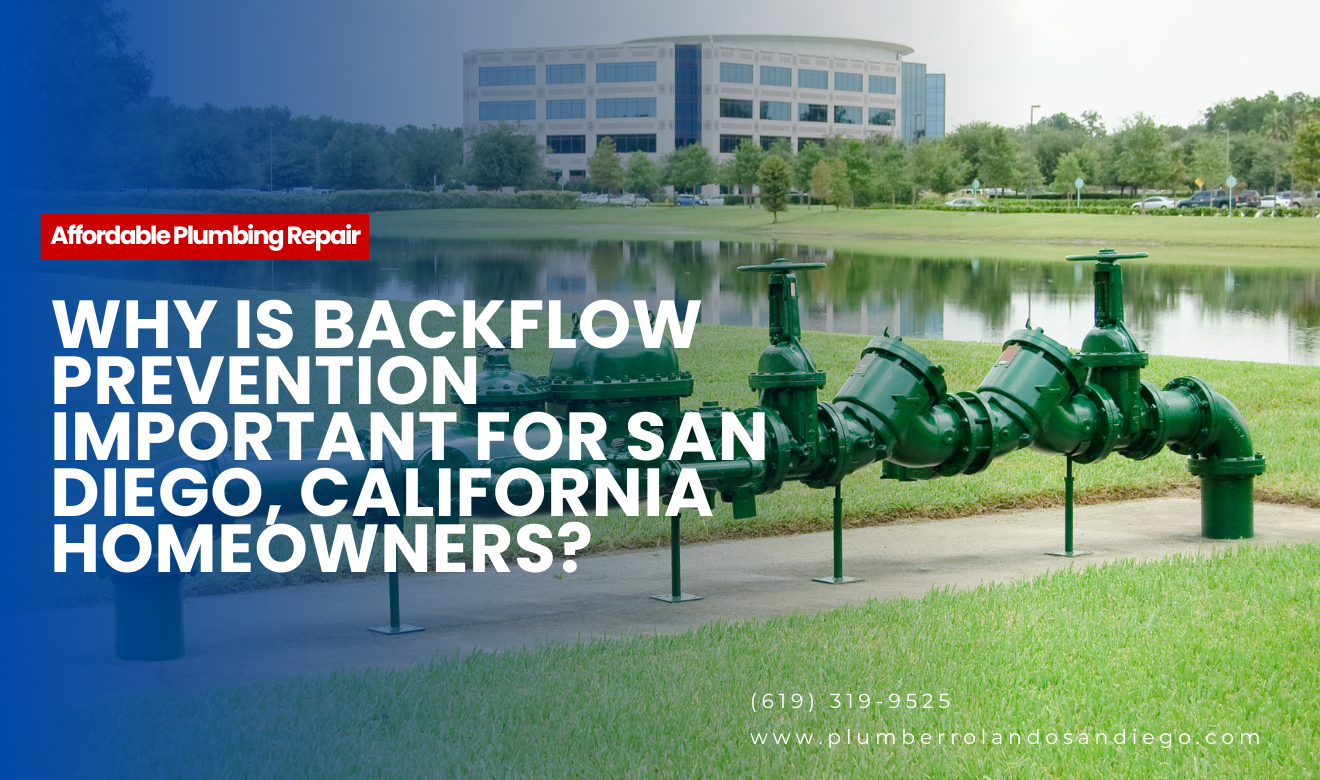
Backflow prevention matters for San Diego homeowners because it stops contaminated water from flowing backward into your clean drinking supply. When pressure drops in the main line or spikes inside your plumbing, dirty water can get pulled into your home’s pipes. That can happen after a nearby water-main break, a hydrant being used by firefighters, or even heavy irrigation running at the same time as other fixtures.
For example, without proper protection, fertilizer-laced sprinkler water can siphon back toward your kitchen tap during a pressure drop. Water sitting in a hose submerged in a bucket, pool, or mop sink can also backfeed into your plumbing under the wrong conditions. These are common, everyday scenarios that can turn into a health risk fast, which is why many properties need testing and maintenance.
If you’re trying to choose a backflow prevention plumber San Diego homeowners can rely on, prioritize someone who can test, repair, and document the device correctly. That way, you’re not guessing whether your water is protected—you’ll know it is.
What Is a Backflow Preventer—and Why It’s Required in Many San Diego Properties
A backflow preventer is a mechanical device installed on a water line to stop contaminated water from reversing direction and entering the potable (drinkable) water supply. In many San Diego neighborhoods—especially where irrigation systems, pools, multi-unit buildings, or commercial kitchens exist—cross-connection control is a serious public-health priority.
To choose a backflow prevention plumber San Diego residents can trust, it helps to understand what the plumber is actually protecting you from:
- Back-siphonage: A pressure drop in the city main “pulls” water backward (common during water-main breaks or hydrant use).
- Back-pressure: Higher pressure inside a private system pushes water back toward the public main (common with booster pumps, boilers, or elevation changes).
According to the plumbing industry’s general cross-connection principles, protecting potable supply is about preventing any pathway where non-potable water can mix into drinking water—especially when conditions change suddenly.
Common Situations Where Backflow Risk Is Higher in San Diego
If you’re trying to choose a backflow prevention plumber San Diego homeowners and property managers rely on, look for someone familiar with the most common local risk points:
- Irrigation systems (fertilizers, pesticides, animal waste, and soil bacteria)
- Hose bibbs without anti-siphon protection (hoses left in buckets, pools, or chemical sprayers)
- Multi-family buildings (complex piping, pressure variations, shared mains)
- Restaurants and commercial spaces (chemical dispensers, mop sinks, dishwashers)
- Pool and spa fill lines (potential contamination from standing water)
Tip: If you’ve ever had pressure that “surges,” banging pipes, or frequent plumbing changes, it’s another reason to choose a backflow prevention plumber San Diego locals call for an inspection—not just a quick test.
Which Backflow Device Do You Have? (And Why It Matters When Hiring)
Different devices protect against different hazard levels. A qualified tester should identify the assembly type, confirm it’s installed correctly, and test it using calibrated gauges.
Most common device types you’ll see
- AVB (Atmospheric Vacuum Breaker): Often on irrigation; not testable; must be installed correctly above outlets.
- PVB (Pressure Vacuum Breaker): Testable; common for sprinklers; protects against back-siphonage.
- DCVA (Double Check Valve Assembly): Testable; moderate hazard; common in fire lines and some commercial uses.
- RP/RPZ (Reduced Pressure Principle Assembly): Testable; higher hazard; used when contamination risk is significant.
When you choose a backflow prevention plumber San Diego property owners depend on, you want someone who explains what you have, why it’s there, and what the city or water district expects for compliance.
How Backflow Testing Works (What a Proper Appointment Should Include)
Backflow testing isn’t a “look at it and guess” service. It’s a structured test procedure performed with differential pressure gauges to confirm each internal check valve and relief valve works correctly.
A solid backflow test typically includes
- Confirming the device is accessible and installed to code (orientation, elevation, clearance)
- Shutting down water safely and communicating any downtime
- Testing check valves for minimum holding pressure (per device standards)
- Testing relief valve operation (for RP assemblies)
- Providing written documentation of pass/fail readings
- Submitting results if your water authority requires it (many do)
This is exactly why it pays to choose a backflow prevention plumber San Diego residents can call year after year—records matter if the city requests proof or if you sell the property.
Featured-Snippet Checklist: How to Choose the Right Backflow Plumber in San Diego
If you want the quickest way to choose a backflow prevention plumber San Diego homeowners can rely on, use this short checklist:
- Certified testing: Ask if they’re certified to test backflow assemblies in your area.
- Experience with your device type: Irrigation PVB and commercial RP testing are not the same job.
- Calibration: Ask if their test gauges are calibrated regularly (and can be documented).
- Documentation: Confirm you’ll receive a clear report with readings and device info.
- Repair capability: If it fails, can they rebuild it the same day (when parts are available)?
- Code-aware installation: If replacement is needed, they should know clearances, height rules, and enclosure requirements.
- Transparent pricing: Testing fee vs. rebuild fee vs. replacement cost should be separated.
Using this checklist makes it easier to choose a backflow prevention plumber San Diego residents feel confident hiring—because you’re evaluating process, not just price.
Red Flags to Watch for When Hiring a Backflow Plumber
Not every plumber who “does backflow” is thorough. If you’re trying to choose a backflow prevention plumber San Diego property owners would recommend, watch for these warning signs:
- No written test report: If they won’t provide readings, you’re missing the whole point.
- Vague language: “It’s fine” without numbers isn’t a test result.
- They can’t identify the assembly: A competent tester should know PVB vs. RP vs. DCVA quickly.
- Pushy upsells: Immediate replacement without showing failed readings or explaining repair options.
- Poor access planning: They arrive without asking where the device is or whether shutoff is needed.
The safest path is to choose a backflow prevention plumber San Diego homeowners trust for both the test and the explanation.
Repair vs. Replace: What Happens If Your Device Fails?
Backflow preventers often fail for predictable reasons: worn check valve rubber, debris on sealing surfaces, mineral buildup, or internal spring fatigue. A qualified plumber will usually recommend one of two routes:
Repair (rebuild) may make sense when
- The body is in good shape (no cracks or severe corrosion)
- Parts are available for your model
- The device is not obsolete
- The failure is limited to internal wear components
Replacement may be smarter when
- The assembly is heavily corroded or leaking from the body
- It’s an older, discontinued unit with hard-to-find parts
- Repeated failures happen year after year
- The installation is not up to code and needs rework
When you choose a backflow prevention plumber San Diego residents rely on, you should get a clear recommendation with the “why,” not just a bill.
Backflow and Water Pressure Problems Often Show Up Together
Backflow issues can be triggered or worsened by unstable water pressure—especially if you have a pressure regulator that’s failing, a system with thermal expansion, or sudden pressure spikes.
If you’re seeing:
- Quick pressure swings at faucets
- Hammering or banging pipes
- Frequent leaks at fixtures
…it may be time to address pressure control alongside your backflow protection. In many homes, the fix is connected to Water Pressure Regulators, which help stabilize the system and reduce stress on valves and assemblies.
This is another reason it’s smart to choose a backflow prevention plumber San Diego homeowners can call for a full-system perspective—not just a single test.
Preventing Contamination Starts with Simple Habits (Not Just a Device)
Even with a working device, good habits reduce risk and help your plumbing stay healthier long-term:
- Don’t leave hoses submerged in buckets, pools, or mop sinks
- Use hose bibb vacuum breakers where appropriate
- Keep irrigation heads and chemical injectors properly maintained
- Fix leaks quickly—standing water and debris increase contamination potential
For additional practical maintenance habits that support safer plumbing, see 3 tips to maintain your plumbing for summer holidays.
Quick Comparison Table: What You Should Expect From a Backflow Pro
Use this to quickly evaluate whether you’re about to choose a backflow prevention plumber San Diego residents would rate highly.
| What you need | What a qualified plumber does | Why it matters |
|---|---|---|
| Accurate testing | Uses calibrated gauge, follows test steps, records readings | Proves protection works and supports compliance |
| Clear documentation | Provides pass/fail + device details + next steps | Reduces disputes and helps with water authority requests |
| Repair capability | Can rebuild checks/relief valves or replace properly | Prevents repeat failures and water damage |
| System awareness | Checks shutoffs, pressure issues, installation compliance | Protects your whole plumbing system—not just one valve |
What “Good” Looks Like After the Service Is Done
After you choose a backflow prevention plumber San Diego homeowners can depend on, you should walk away with:
- A clear explanation of your device type and purpose
- Test results with recorded readings
- Any repair notes (parts replaced, condition of internals)
- Recommendations that match your risk level (not generic upsells)
- A reminder schedule for future testing (often annual, depending on local requirements)
If the plumber can’t provide these basics, it may be time to choose a backflow prevention plumber San Diego residents trust for better documentation and consistency.
Clean Water, Clear Paperwork, Real Peace of Mind
Backflow prevention is one of those plumbing services where “close enough” isn’t good enough. The goal is verified protection—tested numbers, correct installation, and documentation you can stand behind. When you choose a backflow prevention plumber San Diego homeowners rely on, you’re not just paying for a visit; you’re paying for a repeatable process that protects your drinking water.
The most trustworthy pros combine hands-on experience with cross-connection testing credentials, use calibrated equipment, and can repair or replace assemblies to current standards—so you always know your system is safeguarded, not just assumed safe.
Frequently Asked Questions
Protect Your Water Supply—Schedule Backflow Testing Today
If you’re not 100% sure your backflow preventer is working (or you need a certified test and clean documentation for compliance), now’s the perfect time to get it handled—before a pressure drop turns into a contamination problem. Affordable Plumbing Repair can test, troubleshoot, and repair backflow assemblies the right way, with clear readings and paperwork you can keep on file.


