
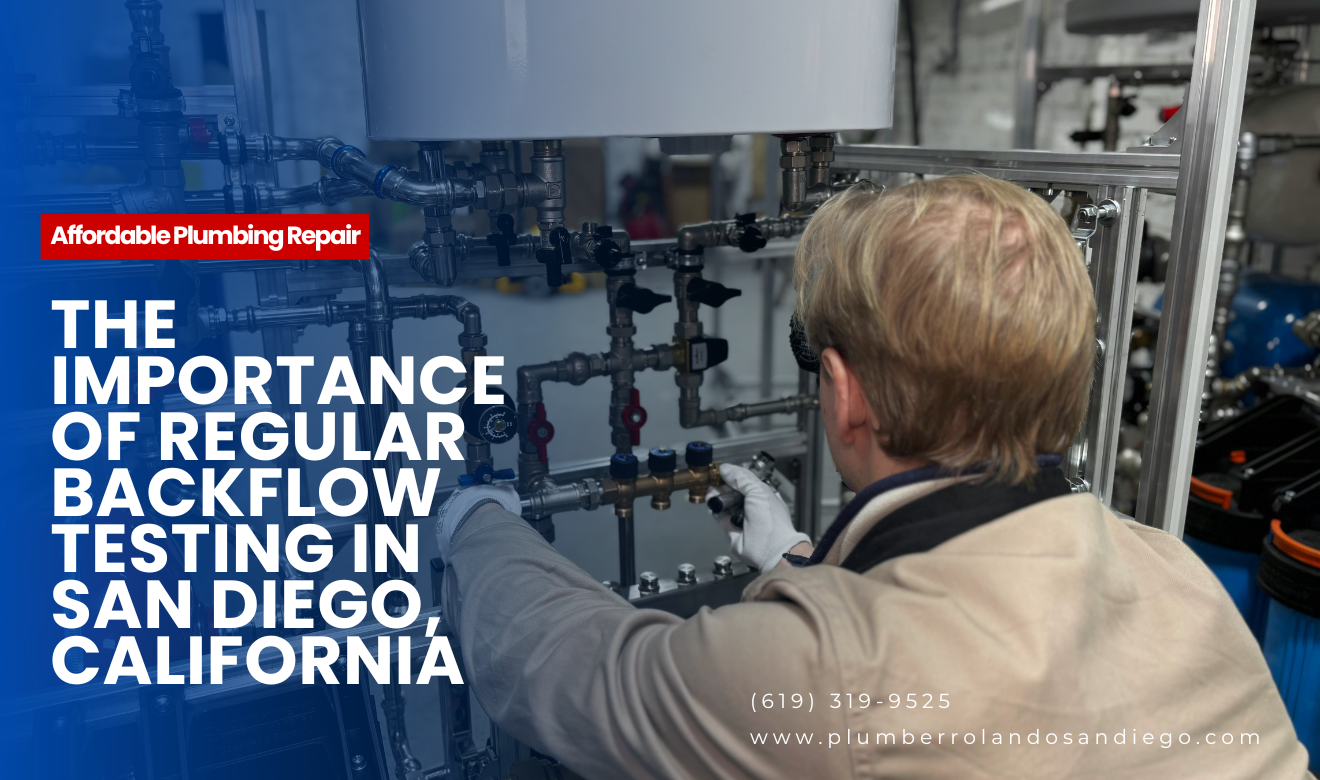
Regular backflow testing matters because it helps keep drinking water safe by ensuring contaminated water can’t flow backward into the public supply. In San Diego, where irrigation systems, pools, and commercial equipment are common, one failed backflow device can allow fertilizer, pesticides, or chemicals to enter your taps. That’s why backflow testing matters San Diego homeowners, property managers, and business owners who want to avoid health risks, failed inspections, and costly repairs. For example, a leaking sprinkler backflow preventer can pull in dirty water after a pressure drop, and a restaurant’s hose connection can siphon cleaning solution into the line if the protection isn’t working. Getting tested on schedule is a simple way to catch problems early and stay compliant.
What Backflow Testing Actually Checks (And Why It’s Not Just a “Quick Look”)
To understand why backflow testing matters San Diego properties, it helps to know what the test is designed to prove: that your backflow preventer can stop contaminated water from reversing direction and entering the potable (drinkable) water system.
During a standard test, a certified tester uses calibrated gauges to verify that internal check valves, relief valves, and shutoff valves are holding pressure correctly. If any part fails, the device may allow “backsiphonage” or “backpressure” to move dirty water into clean lines—especially during a pressure drop from a water main break, firefighting activity, or nearby construction.
Backflow prevention is a core part of modern plumbing safety, and testing is how you confirm the protection is actually working in real conditions.
Why Backflow Testing Matters San Diego: The Local Risks Many People Overlook
San Diego has a mix of older neighborhoods, new construction, hillside properties, and heavy irrigation use. That combination increases cross-connection risks—places where potable water can accidentally connect with non-potable sources.
Common San Diego-specific backflow risk factors
- Irrigation systems with fertilizer injectors or chemical treatments
- Pools and spas with auto-fill lines and chemical feeders
- Multi-tenant buildings with shared water lines and varied equipment
- Restaurants and commercial kitchens using hoses, sprayers, and cleaning chemicals
- Pressure swings due to elevation changes, repairs, or high-demand events
Put simply, why backflow testing matters San Diego comes down to preventing real-world contamination pathways that are common here—not just theoretical hazards.
Backflow 101: Backsiphonage vs. Backpressure (Plain-English Explanation)
If you’re trying to grasp why backflow testing matters San Diego homeowners and businesses, these are the two main ways contamination happens:
Backsiphonage
Backsiphonage occurs when the supply pressure drops and “pulls” water backward—like drinking through a straw.
- Main breaks
- Hydrant use/firefighting
- Sudden high-demand in the area
Backpressure
Backpressure happens when something on your property creates higher pressure than the public water supply, pushing water backward.
- Booster pumps
- Thermal expansion from water heating
- Elevated tanks or certain commercial systems
Both scenarios are exactly why backflow testing matters San Diego: you may never notice anything wrong until contamination reaches fixtures.
Which Properties Typically Need Backflow Testing in San Diego?
Many owners only think about testing after getting a notice. In reality, backflow devices are commonly required anywhere a cross-connection hazard exists. If you’re unsure why backflow testing matters San Diego to your specific property, consider these typical triggers:
Often required (or strongly recommended) for:
- Homes with irrigation/sprinkler systems
- Commercial buildings (restaurants, medical, industrial, retail)
- Multi-family properties and HOAs
- Properties with pools/spas on auto-fill
- Sites with booster pumps or large water heaters
When cities and water authorities flag these risks, annual or scheduled testing is the standard way to confirm compliance—another key reason why backflow testing matters San Diego property managers in particular stay proactive.
How Often Should Backflow Testing Be Done?
Testing frequency depends on the device type, hazard level, and local requirements, but annual testing is common for many commercial and irrigation-related installations.
Good rule of thumb
- Most irrigation and commercial devices: test yearly
- After installation or repair: test immediately
- After a major plumbing change or water event: test as a precaution
If you’re tracking why backflow testing matters San Diego, the “when” is just as important as the “why.” A device can pass for years and then fail due to wear, debris, or internal spring fatigue.
Signs Your Backflow Device May Be Failing (Even If You Haven’t Received a Notice)
Backflow preventers don’t always fail dramatically. Sometimes the warning signs look like “normal wear,” which is exactly why backflow testing matters San Diego—testing catches what eyes and guesswork miss.
Watch for:
- Water leaking from the relief valve or around the body
- Unusual pressure changes at fixtures or irrigation zones
- Rust, corrosion, or mineral buildup on shutoff valves
- Chattering or vibration during operation
- Irrigation sputtering after a supply interruption
Important: a backflow preventer can look “fine” and still fail on gauge readings. That’s a major reason why backflow testing matters San Diego for any property with irrigation or commercial equipment.
What Happens If You Skip Testing? (Health, Legal, and Cost Impacts)
If you’re weighing whether testing is worth it, here’s the practical breakdown of why backflow testing matters San Diego from a risk-and-cost standpoint.
Potential consequences of missed testing
- Water contamination risk for occupants, customers, or tenants
- Failed inspections and possible notices or enforcement actions
- Costly emergency repairs after a device fails completely
- Operational disruptions for businesses (temporary shutdowns, compliance issues)
- Liability exposure if contamination affects others
In other words, why backflow testing matters San Diego isn’t just about “passing a test”—it’s about reducing exposure to problems that are expensive and stressful to unwind after the fact.
What a Professional Backflow Test Looks Like (Step-by-Step)
People often expect a fast check and a signature. A proper test is more methodical and uses specific procedures depending on device type (RP, DC, PVB, SVB, etc.).
Typical testing process
- Shut down and isolate the device using the built-in shutoff valves
- Connect calibrated test gauges to test ports
- Measure pressure differentials across checks/relief components
- Verify valve closure and relief operation per standard criteria
- Document results and provide pass/fail status
- Recommend repair or rebuild if readings don’t meet standards
This is another clear example of why backflow testing matters San Diego: the pass/fail result is based on measurable performance, not appearance.
Common Backflow Device Types You’ll See in San Diego
Different properties use different protection levels. Here’s a quick reference to help clarify what you may have and why backflow testing matters San Diego across property types.
| Device Type | Common Use | Why Testing Matters |
|---|---|---|
| PVB (Pressure Vacuum Breaker) | Irrigation/sprinklers | Prevents backsiphonage; debris and wear can stop proper sealing |
| RP (Reduced Pressure Assembly) | High-hazard commercial, chemicals, medical, some irrigation | Relief valve performance is critical; small failures can mean real contamination risk |
| DC (Double Check Assembly) | Low-to-moderate hazard commercial lines | Check valves can foul or weaken, reducing backflow protection |
| SVB (Spill-Resistant Vacuum Breaker) | Irrigation (often newer installs) | Internal components still require verification; failures may not be obvious |
Regardless of type, the core message remains the same: why backflow testing matters San Diego is that every device has moving parts that can degrade over time.
Real-World Scenario: What “Failure” Often Looks Like (And Why It’s Fixable)
A common San Diego scenario is an irrigation backflow preventer that starts “spitting” or leaking during watering cycles. Homeowners may ignore it because the sprinklers still run. But a pressure event (even a short one) can create the exact siphon conditions that pull dirty irrigation water backward.
What usually causes the failure?
- Sand/grit in the line after nearby water work
- Worn springs and seals from age
- Mineral scaling (common with hard water conditions)
- Improper winterization or physical damage
The good news: many failures can be addressed with a repair kit or rebuild rather than a full replacement—another practical reason why backflow testing matters San Diego for cost control.
How Backflow Testing Connects to Other Plumbing Problems
Backflow issues don’t happen in isolation. Cross-connection problems often show up alongside pressure irregularities, aging valves, and clogged or stressed lines.
Smart related checks that help prevent callbacks
- Verify stable pressure with a pressure regulator (pressure spikes can stress valves)
- Inspect irrigation shutoffs and hose bibbs for missing vacuum breakers
- Address recurring clogs that can contribute to odd pressure events and backups
If you’re also dealing with slow drains or repeated backups, pairing prevention work can save time. For persistent blockages, consider professional Drain Cleaning to reduce system strain and rule out bigger issues.
For seasonal prevention habits, the maintenance tips here can also help reduce surprises: 3 tips to maintain your plumbing for summer holidays.
How to Choose a Backflow Tester in San Diego (Quick Checklist)
If you’re searching because why backflow testing matters San Diego is on your mind, choosing the right professional is the next step.
Look for:
- Current certification for backflow assembly testing
- Calibrated gauges (ask if they’re calibrated on schedule)
- Clear documentation of results and next steps
- Repair capability if the device fails (so you’re not stuck scheduling twice)
- Experience with your property type (irrigation vs. commercial vs. multi-family)
This matters because why backflow testing matters San Diego is not just about running numbers—it’s about interpreting them correctly and making the right fix when something is off.
Keep It Simple: A Practical Testing & Maintenance Rhythm
Most backflow problems become expensive when they’re ignored. A simple routine prevents that.
A sensible plan for many properties
- Annual test (or as required)
- Visual check quarterly for leaks, corrosion, and damage
- Re-test after repairs or major plumbing changes
- Keep records for compliance and resale/tenant documentation
Following this rhythm is a straightforward way to act on why backflow testing matters San Diego—protecting health, avoiding violations, and catching small issues before they turn into emergency calls.
Safe Water, Smooth Inspections, Fewer Surprises
Why backflow testing matters San Diego really comes down to one priority: protecting the drinking water in your home or building from preventable contamination. In a city with widespread irrigation, pools, and busy commercial sites, backflow prevention devices take constant wear—and a single failure can create health risk, compliance headaches, and costly repairs.
Staying on schedule, keeping basic records, and acting quickly on leaks or pressure changes helps you avoid the “it was fine yesterday” problem. And when testing is performed by properly certified professionals using calibrated equipment and standard procedures, you get results you can trust—clean water protection that holds up under real-world pressure changes.
For homeowners, property managers, and business owners alike, the payoff is simple: fewer emergencies, cleaner water lines, and confidence during inspections—exactly why backflow testing matters San Diego year after year.
Frequently Asked Questions
Keep Your Water Safe & Stay Inspection-Ready—Without the Stress
If you’ve got irrigation, a pool auto-fill, or any kind of commercial equipment on-site, backflow testing isn’t something you want to “get around to later.” It’s one of those small, scheduled tasks that helps prevent big, expensive problems—like failed inspections, surprise shutdowns, or contamination risks after a pressure drop. If you’re due (or you’re not sure), Affordable Plumbing Repair can help you book reliable backflow testing, explain what your results actually mean, and handle repairs if your device doesn’t pass—so you can move on with clean water, clear documentation, and one less thing on your to-do list.


