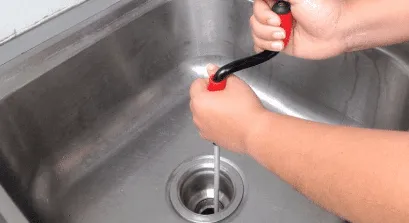
Why Does My Sewer Line Keep Backing Up In Rolando?

Plumbing problems are never fun, especially when they happen in your home. If you’re constantly dealing with a sewer line that keeps backing up, it can be frustrating and costly. Plumbing problems can be caused by a variety of things, so it’s important to know the root of the issue before you start trying to fix it. Here are some common reasons why your sewer line might be backing up:
A Blockage In The Sewer Line
This is one of the most common causes of plumbing problems. A blockage can be caused by anything from tree roots to a build-up of grease and debris.
A Clog In Your Drains Or Toilets
A clog in one sink, tub or toilet usually affects only that fixture. If several drains back up at the same time, the blockage is more likely in the main sewer line.
A Broken Sewer Line
If your sewer line is cracked or broken, it can allow sewage to flow back into your home.
Improper Installation
Drain and sewer lines installed without enough slope, with the wrong fittings or without proper venting drain poorly and collect debris, which can lead to repeated backups.
Aging pipes
As pipes age, cast iron can corrode and build up scale inside, and older clay joints can shift or let roots in. The rough, narrowed pipe catches debris, which leads to repeated backups in your sewer line.
Poor Drainage
If your yard does not have proper drainage, rainwater can pool around a damaged or uncapped sewer cleanout or seep into cracked sewer pipes, overloading your sewer line. Yard and roof drainage should never be connected to the sewer: in San Diego the storm drain and sewer systems are separate.
Damaged Or Missing Cleanout Cap
If the sewer cleanout cap in your yard is damaged or missing, it can allow dirt, debris and rainwater to get in and block your sewer line.
A Disconnected Pipe
If a joint separates or a section shifts out of line, for example from roots or ground movement, debris catches at the gap and wastewater can leak into the soil, leading to backups.
Heavy Rains
Heavy rains can overload your sewer system and cause it to back up. In San Diego, storm drains and sewer lines are separate systems, but rainwater can still get into sewer pipes through cracks, loose joints, missing cleanout caps and illegal connections, which can make sewer lines back up during storms.
Improperly Disposing Of Grease And Oils
If you don’t properly dispose of grease and oils, they can build-up in your sewer line and cause a backup.
Foreign Objects Flushed Down The Toilet
If you flush foreign objects down the toilet, they can get caught in the sewer line and cause a backup.
A Faulty Septic System
If your home is on a septic system, a malfunctioning septic tank can cause your sewer line to back up. If your septic tank needs to be pumped out, it can cause the sewage to overflow into your home.
What To Do When Your Sewer Line Backs Up
Stop using water in the house as soon as you notice a backup: no flushing, showers, laundry or dishwasher. With the main line blocked, every gallon you use comes back up at the lowest drain, usually a shower, tub or floor drain.
Keep children and pets away from the wastewater. Sewage carries bacteria, so wear gloves and boots if you have to go near it, keep it off your skin and wash thoroughly afterward. Avoid chemical drain cleaners on a main line backup: they rarely clear a sewer blockage and make the water hazardous for whoever opens the line. For more first steps, see what to do for a main sewer line clog.
How The Sewer Cleanout Helps Locate The Blockage
Most homes have a sewer cleanout, a capped pipe near the foundation or in the yard that gives direct access to the main line. A plumber usually starts there. If the cleanout pipe is full of standing wastewater, the blockage is further down the line toward the street; if it is empty, the blockage is between the house and the cleanout. Because a full cleanout can release sewage under pressure when the cap is loosened, opening it is best left to a professional. Learn more about sewer cleanout access.
Find The Cause With A Camera Inspection
Clearing the blockage restores flow, but if the line keeps backing up, the cause is still there. A sewer video inspection shows whether the problem is tree roots, a sag that holds water, a cracked or offset joint, heavy scale inside old cast iron or a collapsed section, and where it is. That tells you whether routine cleaning will keep the line working or a section needs repair.
Who Is Responsible For The Sewer Line?
In the City of San Diego, the property owner is responsible for maintaining the sewer lateral, the private line that runs from the house to the connection with the City’s sewer main. If a plumber finds a break or collapse beyond the property line, it can be reported to the City’s sewer emergency line at 619-515-3525 so the City can investigate.
Frequently Asked Questions
Is it a main line problem if only one drain is slow?
Probably not. If one fixture drains slowly and the others work normally, the clog is usually in that fixture’s branch line. If several fixtures back up at once, especially the lowest ones, treat it as a main line problem and stop using water until it is cleared.
Why does my sewer line back up when it rains?
San Diego’s storm drains and sewer lines are separate, but rainwater can still get into a damaged lateral through cracks, open joints or a missing cleanout cap. Backups that happen in wet weather are a good reason to have the line inspected with a camera.
Conclusion
If you’re experiencing a sewer line backup, it’s important to take action right away. By understanding the root of the problem, you can work on fixing it and preventing future backups. If you need help diagnosing or fixing your plumbing problems, call a professional plumber today. For more information regarding our services, contact Plumber Rolando San Diego at (619) 319-9525.